
Mold growth in homes and commercial buildings is far more than an eyesore. It is a complex environmental issue that can compromise indoor air quality, damage building materials, and pose serious health risks if not handled properly. While many property owners are tempted to treat mold as a surface-level problem, professional mold remediation takes a far more comprehensive and controlled approach.
Mold remediation professionals do not simply remove what you can see. They identify the underlying cause, prevent cross-contamination, safely eliminate affected materials, and restore the space so mold does not return.
Understanding Why Mold Is a Serious Problem
Mold is a naturally occurring organism that thrives in damp, poorly ventilated environments. Indoors, mold becomes problematic when moisture is introduced and allowed to persist. Leaking pipes, roof damage, flooding, condensation, and high humidity all create ideal conditions for mold growth.
Once mold takes hold, it reproduces by releasing microscopic spores into the air. These spores can travel through HVAC systems, settle into porous materials, and spread quickly throughout a structure. Exposure to mold spores has been linked to respiratory irritation, allergic reactions, asthma flare-ups, and other health concerns, particularly for children, elderly individuals, and those with compromised immune systems.
Because mold spreads invisibly and rapidly, effective remediation requires far more than cleaning products or surface treatments.
Step One: Identifying the Source of Moisture
Professional mold remediation always begins with identifying and correcting the moisture source. Mold cannot survive without water, so stopping moisture intrusion is the foundation of any successful remediation plan.
Why Moisture Detection Is Critical
Many mold problems originate in areas that are not immediately visible. Water can seep behind drywall, beneath flooring, inside insulation, or above ceilings. Even small, slow leaks can support mold growth over time without producing obvious signs.
Certified mold professionals use specialized tools to locate moisture, including:
- Moisture meters to measure dampness inside building materials
- Thermal imaging cameras to detect temperature variations caused by moisture
- Humidity readings to assess indoor air conditions
- Visual inspections of plumbing, roofing, windows, and ventilation systems
This diagnostic phase ensures the remediation process addresses the root cause, not just the symptoms.
Why DIY Inspections Often Fall Short
Homeowners may spot surface mold but miss hidden colonies growing out of sight. Without professional detection equipment, moisture sources often remain unresolved, allowing mold to return even after cleaning.
Step Two: Assessing the Scope of Contamination
Once moisture sources are identified, mold remediation professionals assess the extent of the mold’s spread. This evaluation determines the remediation strategy, safety measures, and the materials to be removed.
Determining Affected Areas
Professionals categorize mold contamination based on:
- Square footage of affected surfaces
- Type of materials involved (drywall, wood, carpet, insulation)
- Presence of mold inside HVAC systems
- Air quality impact
This step ensures remediation efforts are proportional, thorough, and compliant with industry guidelines.
Step Three: Containment to Prevent Mold Spread
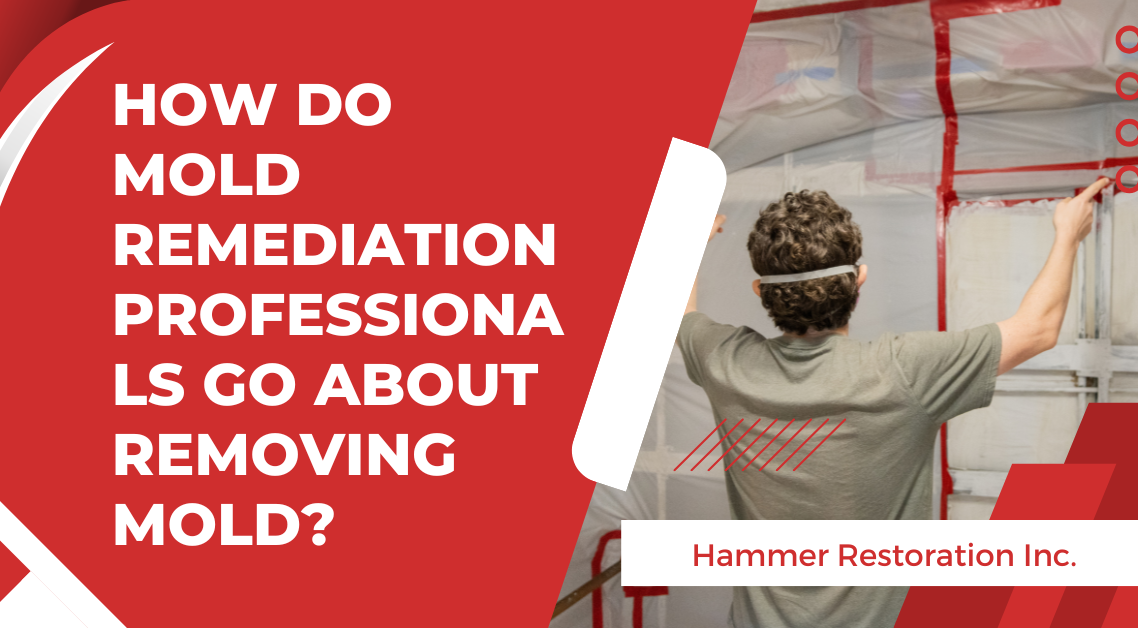
Containment is one of the most critical and often overlooked steps in mold remediation. Without proper containment, mold spores can easily spread to unaffected areas during removal.
How Containment Works
Professionals isolate contaminated zones using:
- Heavy-duty plastic sheeting
- Sealed doorways and vents
- Zippered access barriers
- Negative air pressure systems
Negative air machines equipped with HEPA filtration ensure that air flows into the contained area rather than allowing spores to escape into clean spaces.
Why Containment Protects the Entire Property
Improper mold removal can worsen contamination by releasing spores into the air. Professional containment ensures the problem remains localized and controlled throughout the remediation process.
Step Four: Safe Mold Removal and Material Disposal
After containment is established, mold remediation professionals begin the removal process. This phase depends heavily on the type of materials affected and the severity of contamination.
Removing Contaminated Materials
Porous materials that cannot be fully cleaned are safely removed, including:
- Drywall
- Carpet and padding
- Insulation
- Ceiling tiles
- Pressed wood products
These materials are sealed in specialized disposal bags before being removed from the property to prevent cross-contamination.
Cleaning Salvageable Surfaces
Non-porous and semi-porous materials may be cleaned using:
- HEPA vacuuming
- Damp wiping with approved antimicrobial agents
- Mechanical abrasion when necessary
Professionals follow strict protocols to ensure mold is removed without releasing additional spores.
Step Five: HEPA Filtration and Air Scrubbing
Airborne mold spores can linger long after visible mold is removed. To address this risk, professionals use high-efficiency air filtration throughout remediation.
How HEPA Filtration Works
HEPA air scrubbers capture microscopic particles, including mold spores, from the air. These systems operate continuously during remediation to maintain clean air within the containment zone.
This step is crucial for protecting occupants, technicians, and adjacent spaces.
Step Six: Cleaning, Sanitizing, and Deodorizing
Once physical mold removal is complete, professionals thoroughly clean and sanitize the affected area.
Antimicrobial Treatments
Commercial-grade antifungal and antimicrobial agents are applied to:
- Eliminate remaining spores
- Prevent regrowth
- Neutralize odors
These products are applied correctly to avoid exposure risks and ensure effectiveness.
Odor Control
Mold often produces musty odors that linger even after removal. Professionals may use:
- HEPA air filtration
- Odor-neutralizing agents
- Controlled fogging treatments
This restores indoor comfort without masking the problem.
Step Seven: Drying and Moisture Control
Drying is essential to preventing mold from returning. Professionals use industrial drying equipment to ensure moisture levels return to safe standards.
Drying Methods May Include:
- Dehumidifiers
- Air movers
- Targeted drying systems
Moisture levels are monitored until materials reach acceptable readings.
Step Eight: Repairs and Restoration
In many cases, mold remediation is followed by restoration work. Once the environment is safe and dry, the removed materials are replaced.
Restoration May Include:
- Drywall replacement
- Flooring installation
- Insulation replacement
- Painting and finishing
Some remediation companies handle restoration in-house, while others coordinate with contractors.
Step Nine: Post-Remediation Verification
Reputable mold remediation professionals do not consider the job complete until verification confirms success.
Final Inspections May Include:
- Visual inspections
- Moisture readings
- Air quality testing (when appropriate)
This ensures the space is safe for occupancy and free from active mold growth.
Why Professionals Should Always Handle Mold Remediation
Mold remediation is not a cosmetic service; it is a controlled environmental process. Attempting to remove mold without proper training often leads to:
- Incomplete removal
- Spore spread
- Health risks
- Recurring mold growth
- Increased repair costs
Professionals follow established safety standards, use specialized equipment, and understand how mold behaves within building systems.
Common Myths About Mold Removal
“Bleach Kills Mold Completely”
Bleach may lighten surface stains, but it does not penetrate porous materials or address underlying moisture.
“If You Can’t See Mold, It’s Gone”
Hidden mold is one of the most common reasons for recurring issues.
“Any Contractor Can Remove Mold”
Mold remediation requires specialized training, containment procedures, and equipment.
How to Prevent Mold After Remediation
While professionals eliminate existing mold, preventing mold growth depends on maintaining a dry, well-ventilated environment.
Prevention Tips Include:
- Fix leaks promptly
- Improve ventilation in bathrooms and kitchens
- Use dehumidifiers in humid areas
- Maintain HVAC systems
- Monitor indoor humidity levels
Proactive maintenance significantly reduces the risk of future mold growth.
Professional Mold Remediation Protects Health and Property
Mold remediation is a comprehensive process that goes far beyond surface cleaning. From identifying hidden moisture sources to containing affected areas, safely removing contamination, and restoring indoor air quality, professional remediation follows a structured approach designed to protect both people and property. When handled correctly, mold issues can be resolved safely, thoroughly, and with long-term results.
If you suspect mold in your home or commercial space, working with experienced professionals is essential.
If you need trusted mold remediation services, call Hammer Restoration. Our team has the training, equipment, and expertise required to address mold at its source and restore your space with confidence and care.