
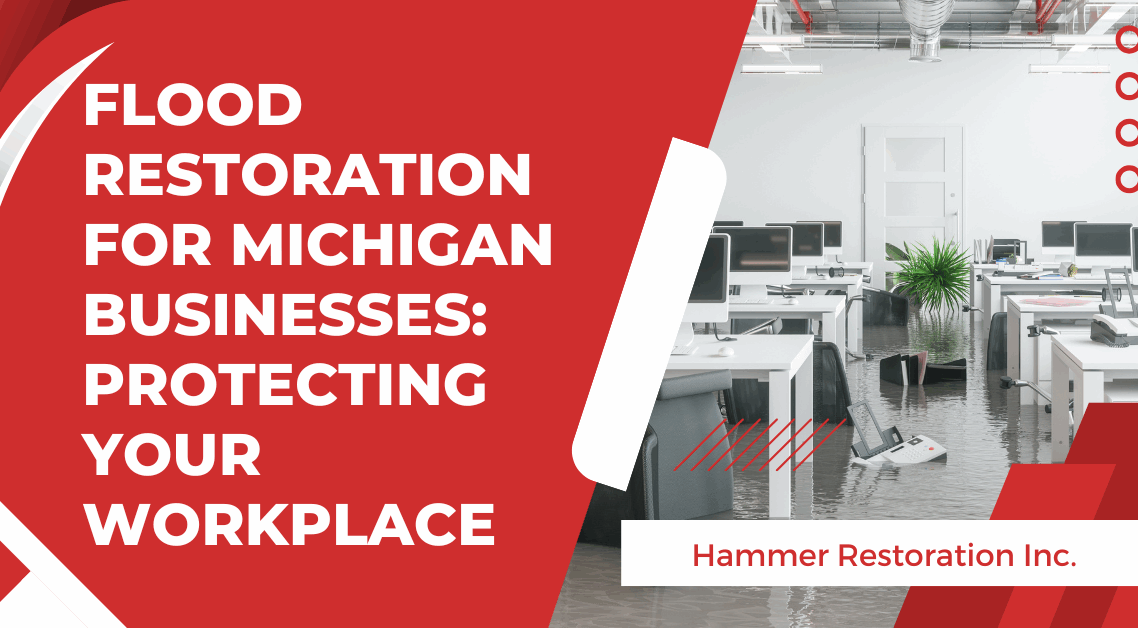
Flooding can disrupt business operations and create unsafe conditions in the workplace. When water intrudes into offices, warehouses, or commercial spaces, businesses must act quickly to ensure employee safety, protect valuable assets, and restore the workspace efficiently. In Michigan, where spring thaws, heavy rainfall, and burst pipes are all common causes of water damage, the risk is exceptionally high. Proper post-flood cleanup and restoration are essential to prevent health hazards and long-term damage to the building.
This guide will walk you through the essentials of flood restoration, including water removal, mold remediation, preventive strategies, and why professional restoration services are critical for Michigan businesses facing flood damage.
The Importance of Rapid Water Removal
One of the most urgent tasks after flooding is the immediate removal of water. Standing water in an office environment doesn’t just ruin carpet and drywall; it seeps into flooring, electrical systems, and equipment, creating hidden risks. Delays in water removal can lead to:
- Structural deterioration of wood, drywall, and concrete.
- Electrical hazards from exposed wiring or submerged outlets.
- Mold growth can begin within 24 to 48 hours after flooding.
- Damage to office equipment, including computers, servers, and furniture.
Professional flood restoration service experts utilize advanced water extraction tools, including truck-mounted pumps, industrial dehumidifiers, and thermal imaging cameras, to locate hidden moisture behind walls or beneath floors. This ensures not only that visible water is removed but also the hidden dampness that causes long-term issues.
In Michigan’s variable climate, rapid water removal is essential in colder months. Freezing temperatures can worsen damage if water isn’t addressed quickly, while humid summers accelerate mold growth. Acting swiftly minimizes workplace hazards, reduces downtime, and helps businesses recover more quickly.
Mold Damage: Protecting Health and Property
Mold growth is one of the most common and serious consequences of flooding. According to the Environmental Protection Agency (EPA), mold can begin spreading within 48 hours of water exposure and may trigger respiratory issues, allergies, and other health problems. For employees and visitors, this presents not only health risks but also potential liability for the business.
Mold remediation involves more than just cleaning visible growth. Restoration professionals employ containment procedures, air filtration systems, and antimicrobial treatments to eliminate spores and prevent the spread of contamination. Key steps in mold restoration include:
- Inspection and testing to identify the type and scope of mold damage.
- Containment of affected areas to stop spores from spreading throughout the building.
- Removal of contaminated materials such as carpet, drywall, or insulation.
- Air purification and sanitization to restore safe indoor air quality.
In Michigan’s damp basements and low-lying areas, mold damage can escalate quickly after flooding. Professional mold remediation ensures your business not only removes existing growth but also prevents future infestations.
Water Damage vs. Flood Damage: Understanding the Difference
While the terms water damage and flood damage are often used interchangeably, they represent different scenarios that businesses need to understand:
- Water Damage typically refers to issues caused by internal sources such as broken pipes, leaking roofs, or malfunctioning appliances.
- Flood Damage is usually the result of external sources, such as heavy rain, overflowing rivers, or sewer backups.
Both situations require professional water restoration, but insurance coverage and remediation strategies may differ. Partnering with an experienced Michigan restoration company, such as Hammer Restoration, ensures that you receive proper documentation for insurance claims, thereby reducing the stress of navigating complex policies.
Flood Restoration Services: A Multi-Step Process
Effective flood restoration isn’t just about cleaning up; it’s about fully restoring your business to safe operating conditions. Comprehensive flood damage services typically include:
- Emergency Response & Assessment – Quick arrival to evaluate the scope of flood damage and develop a tailored restoration plan.
- Water Extraction & Drying – Using industrial-grade pumps, fans, and dehumidifiers to remove moisture.
- Mold Remediation – Identifying and treating mold growth to safeguard indoor air quality.
- Repairs & Reconstruction – Replacing drywall, flooring, insulation, or structural elements as needed.
- Sanitization & Odor Removal – Using antimicrobial treatments and air scrubbers to ensure a clean, safe workplace.
- Preventive Recommendations – Offering insights on waterproofing, drainage improvements, and building maintenance to prevent future issues.
By choosing a full-service restoration company, businesses gain peace of mind knowing that every aspect, from emergency response to final repairs, is handled by experienced professionals.
Preventing Future Flood Damage: Inspection and Protection Strategies
Beyond cleanup, flood restoration services provide valuable assessments to identify vulnerabilities in your building. These inspections often uncover:
- Poor drainage around foundations.
- Cracks in walls or basement floors.
- Faulty sump pumps or backup systems.
- Inadequate roofing or gutter systems.
Investing in preventive measures reduces the likelihood of recurring flood damage. For example, installing a sump pump with a battery backup is a smart move for Michigan businesses located in low-lying areas or near rivers. Regular maintenance of gutters and downspouts can also prevent water from pooling around the foundation.
By addressing these vulnerabilities, businesses not only safeguard their property but also reduce the likelihood of insurance claims and potential downtime in the future.
Why Michigan Businesses Need Professional Flood Restoration
DIY cleanup might seem like a cost-saving option, but when it comes to flood damage, improper restoration can lead to bigger expenses down the line. Hidden water behind walls, untreated mold growth, and compromised building materials all increase long-term risks.
Professional flood restoration ensures:
- Compliance with health and safety standards.
- Accurate documentation for insurance claims.
- Faster recovery times enable employees to return to a safe workspace more quickly.
- Reduced liability by eliminating hazards like mold, bacteria, and structural instability.
Michigan businesses, from offices in Lansing to retail stores in Detroit and small businesses in Saginaw, benefit from working with a trusted local company that understands the unique weather and infrastructure challenges of the state.
Count on Hammer Restoration for Flood Restoration in Michigan
For businesses facing the aftermath of flooding, Hammer Restoration is your trusted partner in recovery. With decades of experience providing flood damage services across Michigan, our team combines rapid response, advanced equipment, and expert knowledge to deliver complete water restoration solutions.
We specialize in:
- Flood restoration for commercial and residential properties.
- Mold remediation and mold restoration to protect air quality.
- Water damage services for both internal and external sources of water intrusion.
- Emergency response 24/7, because water damage doesn’t wait for business hours.
Prompt and professional action not only preserves your office property but also supports business continuity and employee well-being in challenging times.
Flooding and water damage can be overwhelming, but businesses that act quickly and partner with expert restoration professionals can recover efficiently and protect their long-term success. From rapid water removal to mold remediation and preventive strategies, every step plays a vital role in creating a safe, healthy, and resilient workplace.
If flooding or water damage has affected your Michigan business, count on Hammer Restoration’s expert flood restoration services to restore your space so your team can get back to work with confidence.